
One
The chef's gesture.
Every dish plated by hand, without haste. That's the difference between a meal and a service.
A family, a kitchen, a neighbourhood address that became a meeting place.
Lebanon is a small country. Twenty-six times smaller than France, half as populous as the Île-de-France region, but on its own a living library of flavours. Wedged between the Mediterranean and Syria, it inherited East and West at the same time, salt from the great ports, honey from the mountains, herbs from the plateaus. Its cuisine looks like its land: generous, abundant, shared.
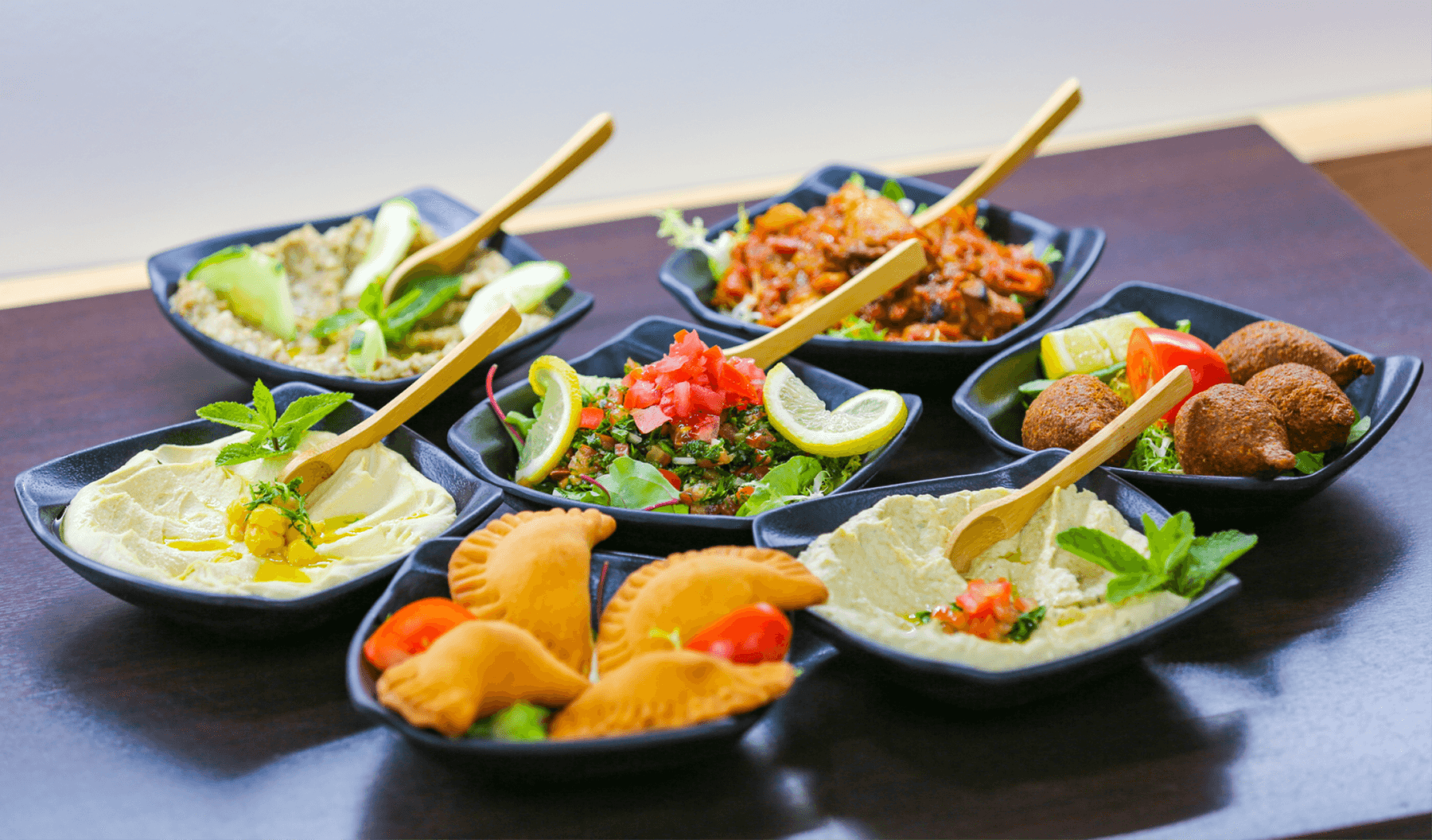
At Layali Beyrouth, we cook that journey. Not a tourist Lebanon, not an exoticised LebanonLebanon as we lived it. The one you bring back with you when you leave. Mezze set in the middle of the table, the smell of sumac and mint, bread torn open while still warm. Cardamom coffee to close the meal. The time you take.
Everyone knows it: to understand a country, you must taste its cuisine.
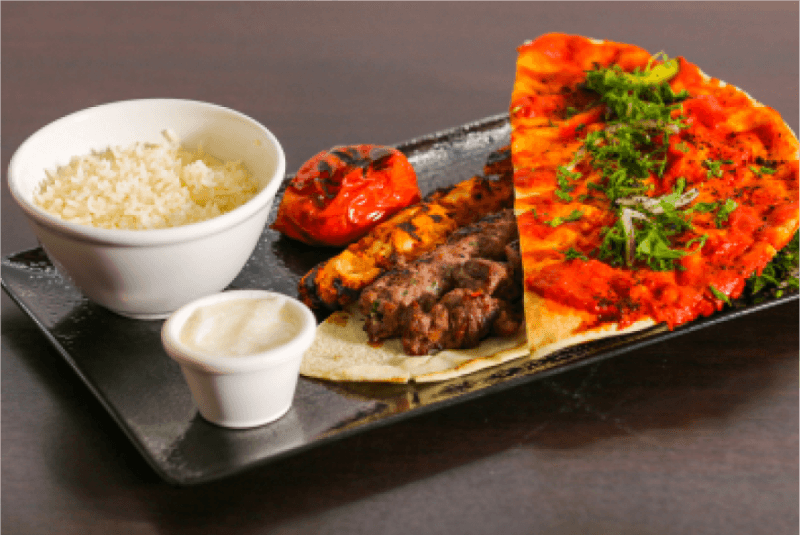
In Arabic, Layali means "the nights". The nights of Beirut, above all. The ones where the city stays up late, where terraces overflow, where music slips between conversations. The ones whose precise memory of a shared dish you keep, years later.
When we opened the restaurant in 2010, that was the name we wanted. Not "Lebanese restaurant in Lyon"Layali. The Nights. A promise of atmosphere more than a cuisine label.
Fifteen years on, we keep serving those nights. At lunch too, of course. But it is in the evening, when the room slowly fills and the chef begins to plate the mezze, that we truly find Beirut again.
At 38 rue du Dauphiné, in the 3rd arrondissement of Lyon, two of us have kept Layali Beyrouth alive since 2010. The chef in the kitchen, trained in Lebanese cuisine back home, taught patient gestures and precise measures. His wife in the dining room, watching over the tables as one watches over guests.
No chain, no franchise, no large team. Two people running an entire restaurant, day after day, for fifteen years. In Lebanese, this is called "ahel"the spirit of family extended to those you receive. When you step inside, you are not one more customer in the room: you are the table for which the chef brings out the freshest hommos, the table for which we take the time to tell you where the maamoul comes from.
This kitchen is his. Learned in Lebanon, passed down by his mother and uncles, refined over the years. Every dish is plated as if cooked for his own children. That is what makes Layali Beyrouth, not a magic recipe, but the gesture repeated day after day.
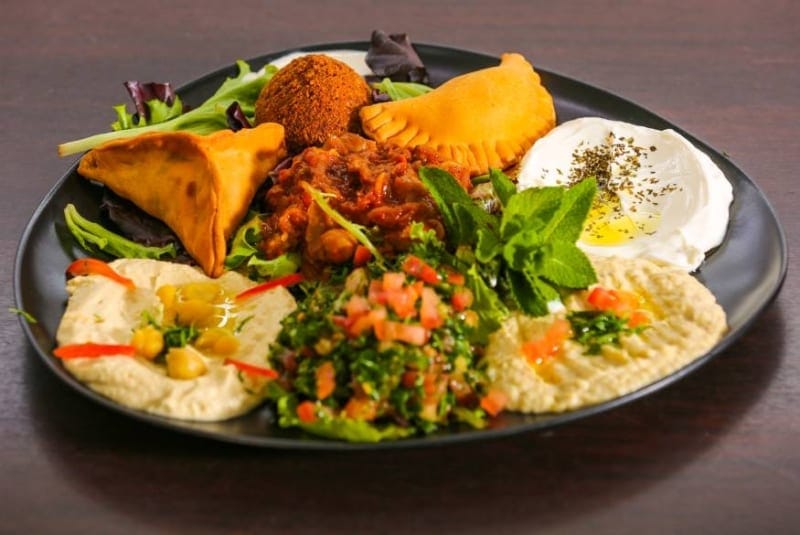
Our address isn't a neighbourhood address in the strict sense. Most of our immediate neighbours aren't our guests, and vice versa. It is by word of mouth that people find us, first Lyonnais, then their neighbours, then those who come from Geneva, from Paris. Fifteen years on, we have regulars we see twice a year who make the journey on purpose.
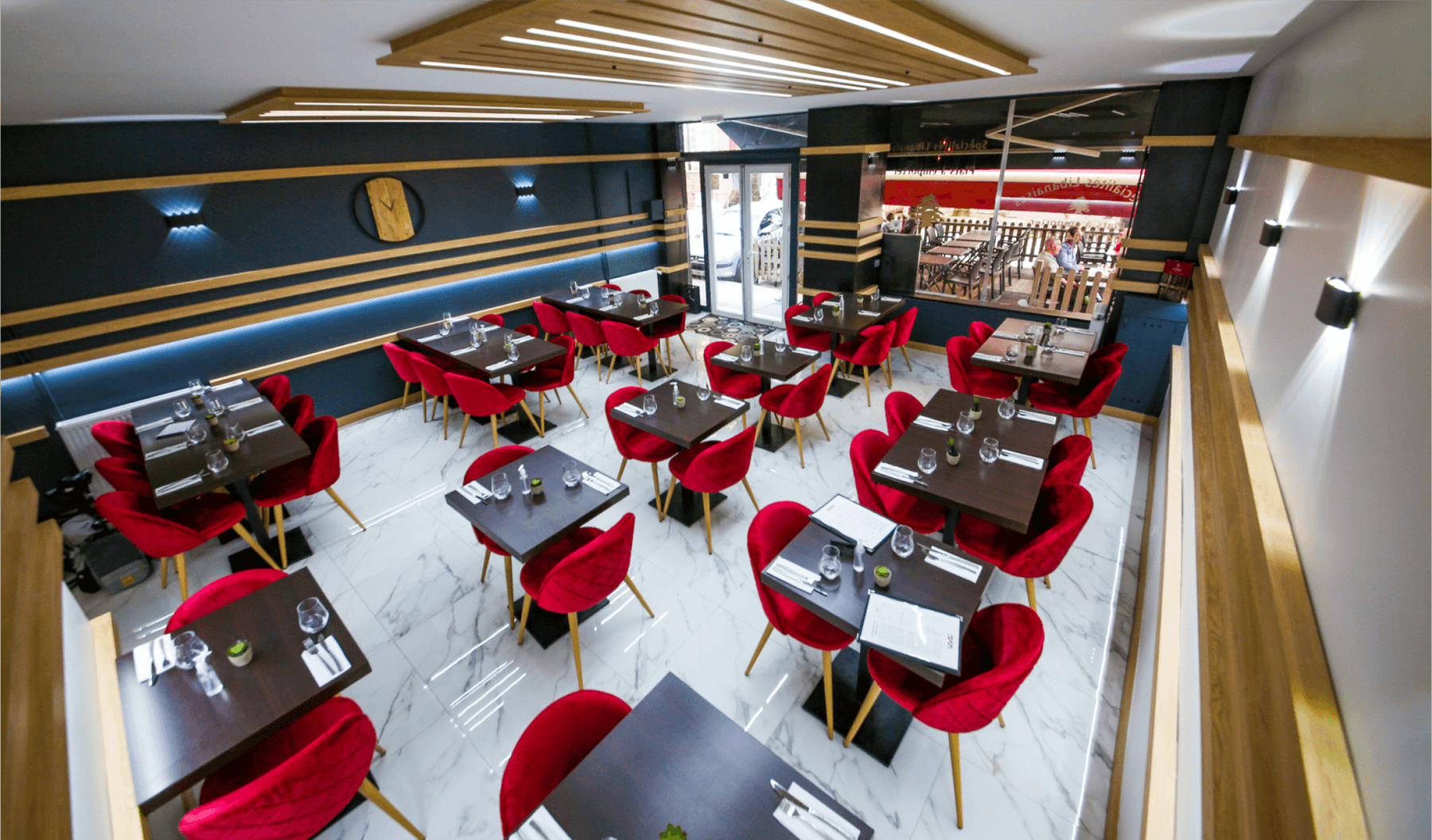
For them, and for those who don't know us yet, the address stays the same. Rue du Dauphiné, right by the ring road. No terrace this year, but a dining room that fills slowly, dishes that come out at the chef's rhythm, and hours that pass without being counted.
One
Every dish plated by hand, without haste. That's the difference between a meal and a service.
Two
Market in the morning, kitchen in the afternoon, dining room in the evening. Freshness isn't a marketing claim, it's a constraint we impose on ourselves.
Three
A meal at Layali Beyrouth lasts as long as it needs to. We don't turn tables. That's probably why you'll stay longer than planned.
Envie de découvrir la cuisine libanaise dans toute sa richesse ? On la confond souvent avec la cuisine orientale : heritee de la tradition levantine, la cuisine libanaise se reconnait a ses mezze a partager, ses herbes fraiches, le citron, l'huile d'olive et ses grillades parfumees au feu de bois. Notre blog propose un panorama des plats traditionnels libanais, et bien d'autres articles pour en savoir plus sur la cuisine libanaise. Cette histoire commencée en 2010 se vit aujourd'hui dans tout Lyon : retrouvez notre restaurant libanais à Lyon et dans l'agglomération, sur place, à emporter ou en livraison. Pour prolonger ce voyage autour d'une table, vivez une expérience en salle au 38 rue du Dauphiné, Lyon 3.
The story stops here. The rest happens at the table, in the evening, between the arriving mezze and the cardamom coffee that closes the meal.